When to send stems
You book mixing when recording is done and you want an engineer to finish balance, space and dynamics. Rate per track up to five minutes: €185 including VAT; working in our control room is also possible at €88 per hour. EPs up to six tracks use €680 — keep the same folder pattern for each song.
Mixing starts once every stem is in and you shared tempo and references through contact. Do not wait until the deadline to upload; slow links eat revision rounds. We usually plan 2 revision rounds in the quote unless stated otherwise.
Format and sample rate
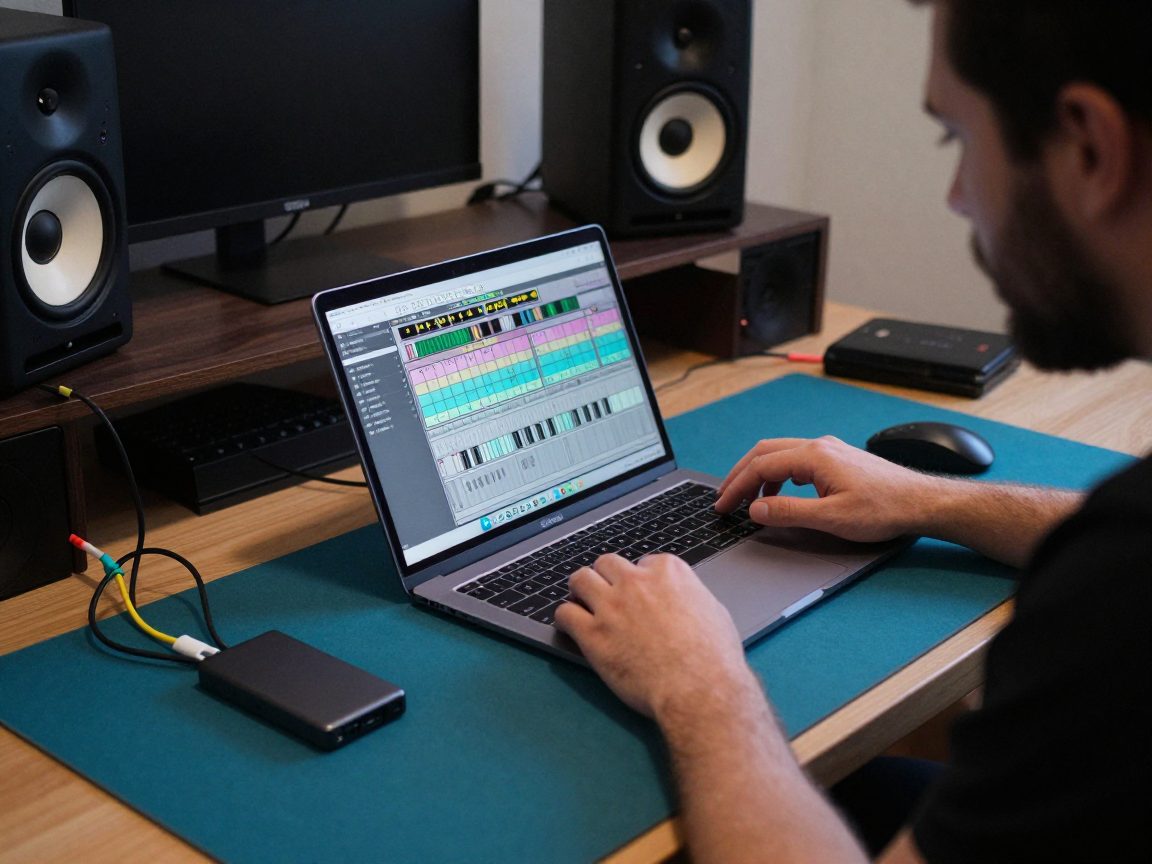
Deliver uncompressed WAV or AIFF, preferably 24-bit. Sample rate: 48 kHz is our default for streaming and broadcast; 44.1 kHz is fine if everything matches. Do not hop between rates — pick one project setting and bounce consistently.
Avoid MP3 or AAC as a master source unless it is all you have; we will discuss noise and bandwidth limits upfront. Stereo bounces of single instruments are weaker than mono or true-stereo where needed, though sometimes acceptable for synths.
Headroom and processing
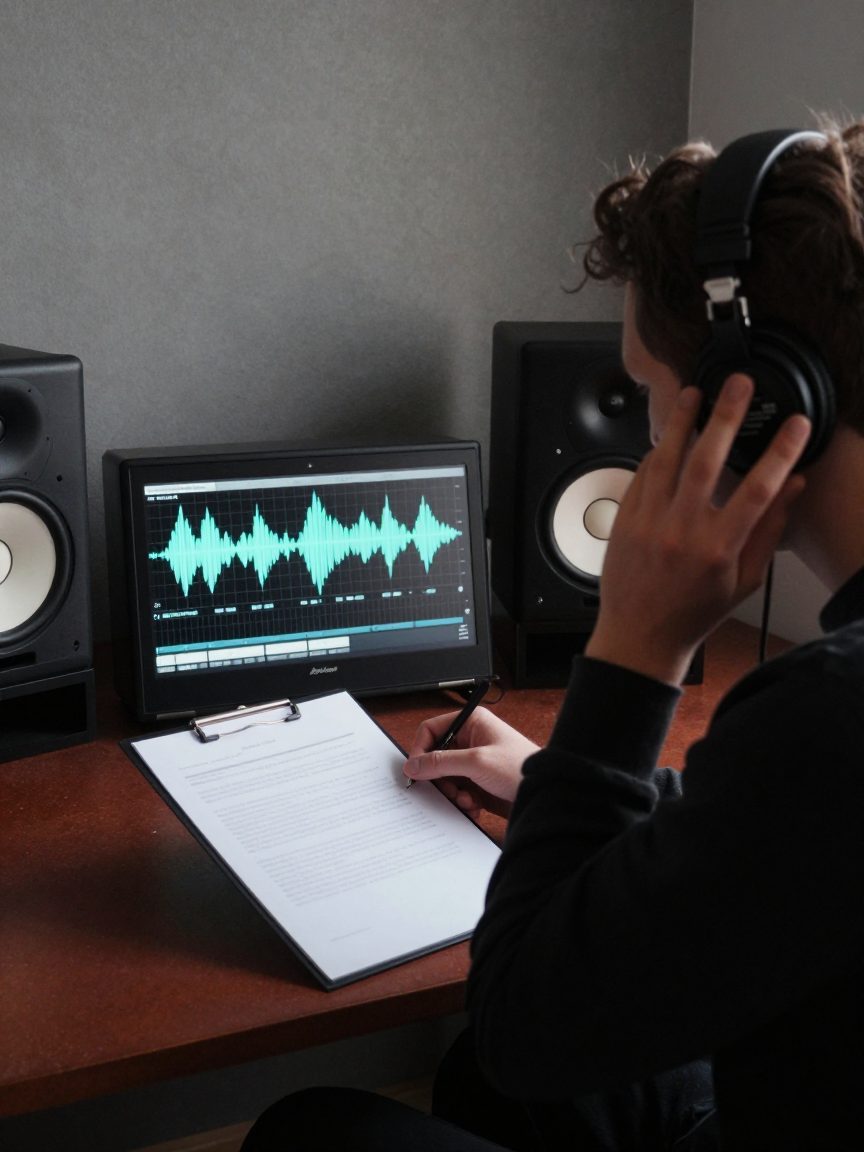
Leave space: stems peaking around -6 to -12 dBFS give us room for EQ and compression. Skip limiters or heavy bus compression on exports — that locks our choices. Exception: guitar re-amps you already love as a sound.
Split effects when you want flexibility: dry guitar plus amp sim, dry vocal plus a separate reverb send if available. Drums: individual close mics plus overheads and room beat one stereo kit bus unless that is an artistic choice.
Naming and folders
| Item | Example |
|---|---|
| Project folder | Artist_SongTitle_2026 |
| File | SongTitle_DrumKick.wav |
| Alignment | All files start at sample 0; no silence offset |
Use ASCII names without spaces where you can. Add a short readme.txt with BPM, key and any missing tracks. Sessions recorded here often export from us — then you only confirm take choices.
References and feedback
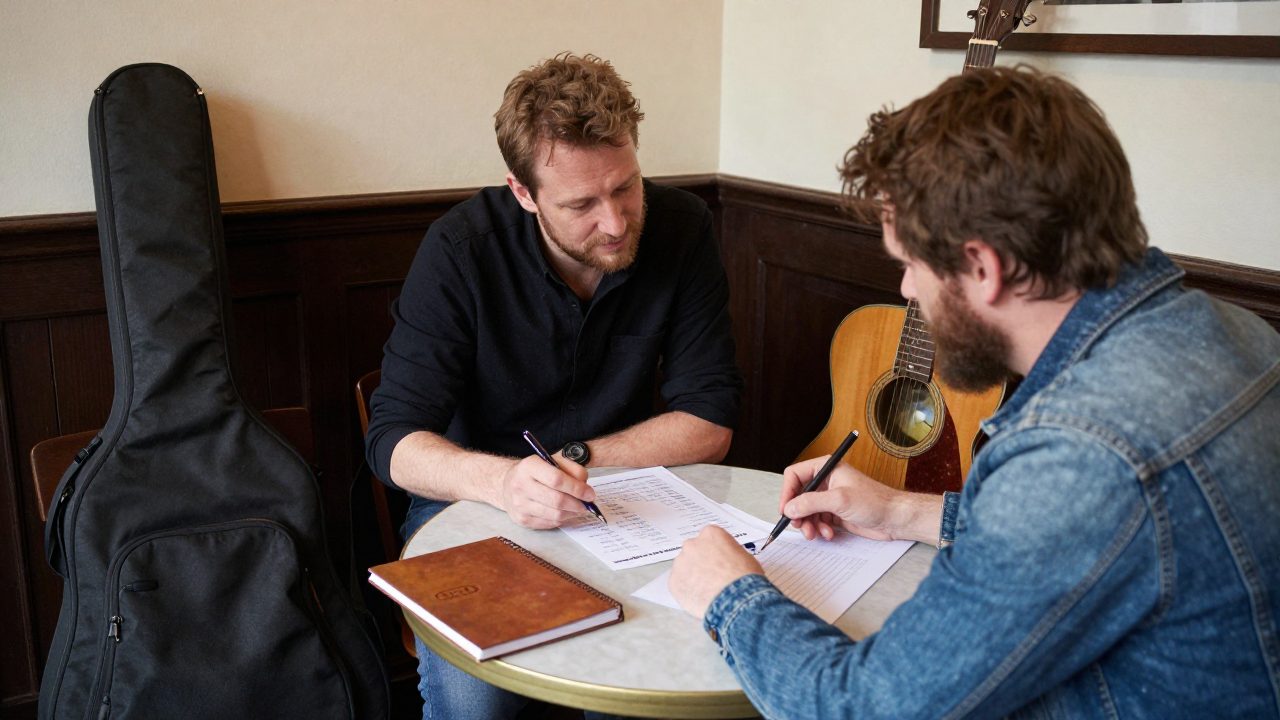
Send two or three reference tracks for tone, not cloning. Note what you want more or less of: air on vocals, tighter bass, drier drums. Our mix engineers work at Weesperzijde 96 with 2 monitor pairs for checks.
Feedback by email or during an agreed listening pass. Timestamp notes (“chorus 1:32 bass too loud”) beat vague “sounds muddy”. That fits the revision rounds we agreed.
From band session to mix
If we handled your band recording, multitracks are already aligned; you only mark final takes. External projects: export from your DAW with identical start positions. MIDI is welcome for drums or synths if you can document presets.
After the mix comes mastering — €78 per track or €420 for up to twelve songs. Mastering wants a mix without a limiter on the master bus; see mastering and delivery for file rights.
Upload and archive
We send a secure link or receive via agreed cloud storage. Spot-check random files after upload. We keep projects for 6 months; download your mix within that window.
Business clients with personal data in filenames: see our privacy policy and ask for a data processing agreement if needed. Technical questions: [email protected] or 020 737 1846.
Stem checklist
- 24-bit WAV, one sample rate throughout.
- No limiter on exports; healthy headroom.
- Clear file names and readme with BPM.
- References and target sound described.
- Mix quote confirmed before upload.
Clean stems keep mixing predictable — and your plan near €185 per track as quoted.